
- Home /
- Fingerprinting Services /
- ATF EFT Fingerprinting
ATF EFT Fingerprinting In Pembroke Pines
ESS Identity Center provides ATF EFT fingerprinting in Pembroke Pines for applicants who need electronic fingerprints for applicable NFA and ATF eForms workflows. Digital fingerprint capture produces an electronic fingerprint file that can be used where the current filing process supports EFT submission.
- Digital Capture
- EFT Format
- eForms Use
Your EFT Appointment Includes
Price: $119
- Electronic Fingerprint Capture
- Applicant Information Collection
- EFT File Preparation
- Digital File Output
Encrypted EFT Delivery
Digital File Included
ATF-Ready Fingerprints
No Card Conversion
$119 Flat Price
Your Fingerprints Become A Digital File
EFT fingerprinting converts electronically captured fingerprints into a digital file for compatible ATF filing workflows. Rather than relying only on physical fingerprint cards, qualifying applicants can use electronic fingerprints when the relevant eForm process supports digital fingerprint submission.

Who Commonly Needs An ATF EFT File?
Different ATF applications involve different fingerprint requirements, so applicants should confirm their specific form and filing method before scheduling digital EFT fingerprinting.
Form Applicants
Certain ATF eForms allow applicants to provide fingerprints electronically as part of the filing workflow.
Form Makers
Applicants completing applicable Form 1 filings may use an uploaded EFT fingerprint file when supported.
Form Transferees
Applicable Form 4 workflows can include digital fingerprint submission options within the electronic filing process.
Trust Applicants
Applicants using trusts or legal entities may encounter separate responsible-person fingerprint requirements within qualifying NFA filings.
NFA Applicants
NFA fingerprinting can form part of applicable making or transfer applications submitted through ATF systems.
Responsible Persons
Responsible persons may have individual fingerprint obligations depending on the form, entity structure, and current filing requirements.
EFT File Or Fingerprint Cards?
The correct fingerprint format depends on the ATF process you are completing. Some electronic workflows support EFT files, while other federal applications still require physical FD-258 fingerprint cards.
Digital EFT File
An electronic fingerprint file contains digitally captured fingerprint information prepared for compatible electronic submission. ATF guidance for eForm 1 specifically includes an option to upload an EFT file for responsible-person fingerprints. Applicants whose paperwork requires a physical format can compare FBI fingerprint card options before choosing the service.
FD-258 Cards
A physical ATF fingerprint card remains required in certain federal firearms processes. ATF currently specifies FD-258 cards for most Form 7/7CR Federal Firearms License applications, demonstrating that EFT files do not replace cards across every ATF workflow.
Form 1 Files
Applicable eForm 1 applicants can upload an electronic EFT fingerprint file for responsible persons instead of relying exclusively on mailed fingerprint cards.
Form 4 Files
ATF’s eForm 4 system includes options for digital fingerprint-card submission as part of its electronic filing workflow. Follow the current instructions for your specific transaction.
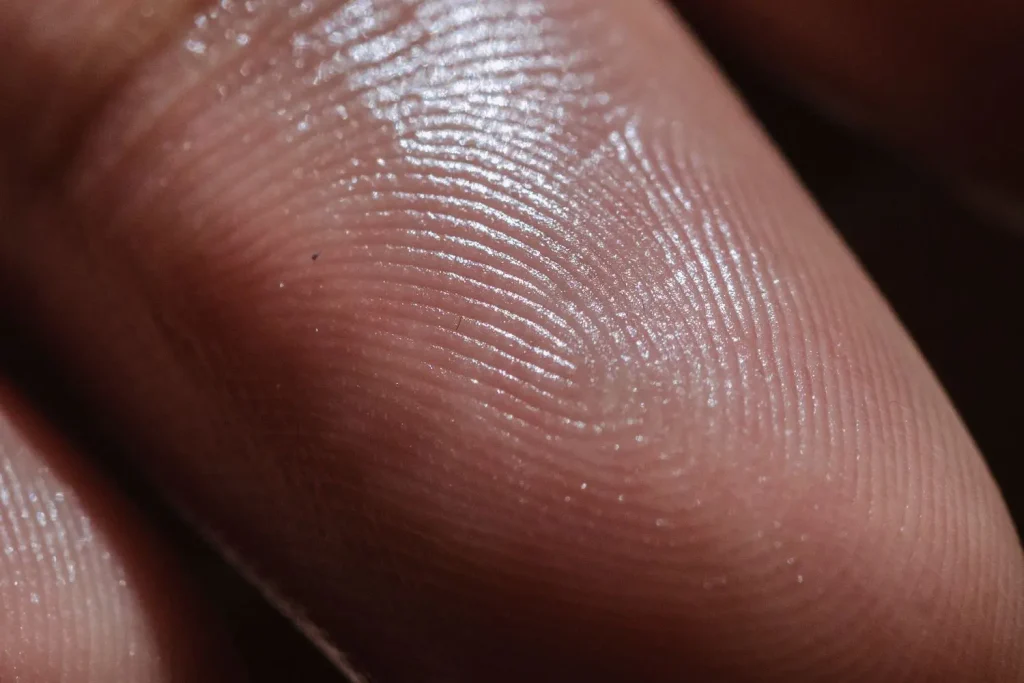
ATF EFT Fingerprinting Pricing
ATF EFT fingerprinting uses a digital fingerprint file prepared for qualifying ATF eForms submissions. ESS Identity Center provides the electronic fingerprint capture and encrypted EFT file delivery needed for supported ATF applications.
ATF EFT Fingerprinting: $119
Encrypted EFT File Delivery: Included
The $119 service includes fingerprint capture and delivery of the encrypted EFT file for use with the applicable ATF submission process.
Prepare For Your EFT Appointment
Bring accurate identifying and filing information so ESS Identity Center can create the requested electronic fingerprint file for your applicable ATF workflow.
- Valid Government-Issued Photo Identification
- Correct Personal Identifying Information
- Applicable ATF Filing Details
- Responsible Person Information When Required
- Current Application Instructions or References
Match The File To Your Filing
Confirm the ATF form and submission method first. Electronic fingerprint availability depends on the filing workflow, not applicant preference alone.
From Fingerprints To An EFT File
Capture Digital Fingerprints
ESS Identity Center records the required fingerprint impressions electronically using digital capture equipment rather than producing only a traditional paper fingerprint card.
Build Fingerprint File
The captured biometric impressions and associated applicant information are prepared into the electronic fingerprint file required for the selected EFT service.
Use With eForms
The applicant uses the completed file within the applicable ATF electronic filing process when that form and workflow currently support digital fingerprint submission.
Understanding ATF Electronic Fingerprint Files
ATF EFT fingerprinting combines digital fingerprint capture with a file-based output, creating a different workflow from conventional physical fingerprint-card processing.
Digital EFT vs Physical Cards
An electronic fingerprint file is not simply an image of a paper fingerprint card. Digital EFT fingerprinting captures fingerprint ridge detail electronically and associates the fingerprint data with the identifying information required for the file. The resulting output can then be used within a compatible ATF electronic submission workflow.
Physical cards follow a different process. Fingerprint impressions are recorded on the required card, such as an FD-258, and the completed card is handled according to the relevant application instructions. ATF still requires FD-258 fingerprint cards in some licensing workflows, so physical cards remain important even as eForms expand digital submission options.
Applicants using ATF and EFT fingerprinting in Pembroke Pines should therefore start with the filing instructions rather than choosing a format based on convenience. An EFT file may fit an applicable NFA eForm, while another federal application may explicitly call for physical cards.
Who Commonly Uses Which Format?
Applicants using compatible ATF eForms may benefit from electronic fingerprint submission because the digital file can be incorporated into the supported filing workflow. Other applicants may still be instructed to provide FD-258 cards. The form being filed, current ATF instructions, and applicant type determine which route applies.
Electronic Filers
Applicants using compatible eForms can use EFT fingerprints when the current ATF submission workflow allows electronic upload.
Card Filers
Applicants should use physical fingerprint cards when their ATF application instructions still require that format.
Those distinctions make it important to verify the actual filing rather than treating ATF fingerprinting as one universal process. Customers who learn their requirement involves another format can review all fingerprinting services before scheduling the wrong appointment.
What Happens During EFT Capture?
During the appointment, ESS Identity Center reviews the identifying information required for the EFT service before electronically capturing the applicant’s fingerprints. Applicants place their fingers on digital scanning equipment to record ridge detail, and staff reviews the fingerprint images as part of the capture process. The captured biometric information is then used to prepare the requested electronic fingerprint file.
What the EFT File Contains
An EFT file contains digitized fingerprint information together with associated identifying data in an electronic format intended for compatible submission workflows. It is different from a simple photo, PDF, or scanned image of a physical fingerprint card.
What To Expect At Your Appointment
Arrive knowing which ATF filing or electronic workflow requires your fingerprints. This helps ESS Identity Center distinguish an EFT appointment from services that produce physical ATF fingerprint cards or another fingerprint output.
During the appointment, staff reviews the required identifying information and captures the fingerprints digitally. The electronic capture process records the impressions needed to create the EFT file rather than placing those impressions directly onto a physical FD-258 card.
After the file is prepared, the applicant remains responsible for following current ATF filing instructions and using the file within the supported application process. ESS Identity Center provides fingerprinting and file output but does not submit or approve the underlying NFA application.
What to Bring
- Government-issued photo identification
- Correct personal identifying information
- Applicable ATF form details
- Responsible-person details when relevant
- Filing-specific instructions or references
Applicants who have confirmed that an EFT file is appropriate can book an EFT appointment with ESS Identity Center.
What Happens After Your EFT File Is Created?
Once the electronic fingerprint file is created, the next step belongs to the applicable ATF filing workflow. ATF’s eForms platform currently allows individuals and firearms industry members to submit certain forms electronically, including forms associated with National Firearms Act transactions.
The applicant or authorized filer uses the EFT file according to the instructions for the supported form. ATF, not ESS Identity Center, receives and processes the actual application and determines whether the submission meets applicable legal and procedural requirements.
Applicants should also follow current instructions rather than assuming every ATF process accepts the same fingerprint method. ATF continues to maintain processes that expressly require FD-258 fingerprint cards, while other electronic workflows offer digital fingerprint options.
EFT Fingerprints Across NFA Filings
Electronic fingerprint submission can appear in several NFA filing contexts, but the precise fingerprint obligations depend on the form, applicant structure, and current ATF instructions.
Form 1
Form 1 fingerprints apply when an applicant completes an eligible application to make and register an NFA firearm. Current ATF eForm 1 guidance provides an option for electronic EFT fingerprint-file upload for responsible persons.
Form 4
Form 4 is used for applicable transfers and registration of NFA firearms. ATF’s eForm 4 system includes digital fingerprint-submission functionality as part of its electronic filing environment.
Responsible Persons
Trusts and other legal entities may include responsible-person requirements in certain NFA applications. Applicants should verify the current fingerprint and documentation requirements applicable to every responsible person involved in the filing.
Need A Different Fingerprint Format?
ATF applications do not all use the same fingerprint output. Review related fingerprinting resources when your filing calls for cards, another format, or additional guidance.
Fingerprinting Services
View all fingerprinting services to compare electronic, Live Scan, screening, EFT, and physical fingerprint-card options.
FBI Cards
Physical FD-258 cards may be appropriate when an ATF or other federal application specifically requires card-based fingerprint submission.
Fingerprint Guides
Read fingerprinting guides when you need more context about fingerprint formats, capture methods, or submission differences.
Common Questions
Find answers to common questions for additional information about appointments, fingerprinting requirements, and related ESS services.

See Digital Fingerprint Capture

Frequently Asked Questions
An ATF EFT file is an electronic fingerprint file containing digitally captured fingerprint information and associated applicant data for compatible ATF submission workflows. ATF currently allows EFT fingerprint uploads in applicable eForm processes, including eForm 1 fingerprint submissions for responsible persons.
ATF currently supports digital fingerprint options within relevant eForm 1 and eForm 4 workflows, but applicants should follow the instructions for the specific filing they are completing. Do not assume a file or procedure can be reused across every application without confirming the current requirements.
No. An EFT file contains fingerprint information electronically, while an ATF fingerprint card such as the FD-258 is a physical card carrying fingerprint impressions. Some ATF electronic workflows support digital submission, while certain federal firearms processes still expressly require physical FD-258 cards.
An EFT file is not simply a digital scan or photograph of an existing fingerprint card. Conversion depends on whether a provider has the technical capability and sufficient fingerprint and identity data to create the required electronic file. Confirm availability before assuming an existing card can be converted.
No. Electronic fingerprint availability depends on the specific ATF form and filing workflow. Some eForms support digital fingerprint submission, while other processes still require FD-258 cards. Applicants should review the current instructions for their particular form before selecting EFT fingerprinting.
Confirm first that your ATF filing supports an electronic fingerprint file. Applicants who need ATF EFT fingerprinting in Pembroke Pines can schedule digital fingerprint capture with ESS Identity Center, then use the completed file according to the current instructions for their applicable eForm submission.
Turn Your Fingerprints Into Digital Files For Universal Use
Get your digital fingerprints captured and prepare the EFT file required for your applicable ATF workflow.