- Home /
- Drug Testing Services /
- DOT Drug Testing
DOT Drug Testing Pembroke Pines
ESS Identity Center provides DOT drug testing in Pembroke Pines for covered commercial drivers, transportation employees, and employers managing federally regulated testing requirements. Collections support qualifying pre-employment, random, post-accident, reasonable-suspicion, return-to-duty, and related DOT testing needs.
- Regulated Collections
- CDL Testing
- DOT Procedures
DOT Testing Needs Include
Price: $85
- Pre-Employment Drug Testing
- Random Drug Test Collections
- Post-Accident Drug Testing
- Return-to-Duty Testing
$85 DOT Test
Post-Accident Testing
After-Hours Collections
Mobile DOT Collections
Safety-Sensitive Testing
When Federal Transportation Rules Apply
A DOT drug test is part of a federally regulated transportation testing program rather than a general workplace drug screen. DOT’s 49 CFR Part 40 establishes procedures for testing safety-sensitive transportation employees, while individual operating agencies determine which workers and situations are covered.

Who Falls Under DOT Drug Testing?
Federally regulated testing applies to specific safety-sensitive transportation roles, with coverage determined by the DOT operating agency and the employee’s regulated function.
CDL Drivers
Covered commercial drivers must participate in FMCSA drug and alcohol testing when Part 382 requirements apply.
Truck Drivers
Qualifying truck drivers performing regulated safety-sensitive functions can be subject to FMCSA testing throughout employment.
Aviation Employees
Covered aviation safety-sensitive employees are subject to DOT Part 40 and FAA drug and alcohol testing requirements.
Fleet Employers
FMCSA-regulated employers are responsible for maintaining testing programs for covered commercial-driving employees under applicable requirements.
Owner Operators
Owner-operators operating CDL-required CMVs must participate in a DOT testing program and applicable random-testing pool.
Safety Employees
Other transportation workers can fall under FAA, FRA, FTA, PHMSA, or USCG testing rules based on their regulated functions.
Why Was Your DOT Test Ordered?
DOT testing recognizes distinct test reasons, and the circumstances behind the order determine where the collection fits within the employee’s regulated testing program.
Pre-Employment Testing
FMCSA employers must obtain a negative pre-employment drug-test result before allowing a covered CDL driver to operate a commercial motor vehicle. Review DOT testing requirements when preparing for regulated driver testing.
Random Testing
Covered employees can be selected through regulated random-testing programs during employment. Once selected and notified, the employee follows the applicable employer and agency procedures for reporting to collection.
Post-Accident Testing
A commercial-vehicle accident does not automatically create the same testing obligation in every situation. FMCSA uses defined post-accident criteria to determine when drug and alcohol testing is required for covered drivers.
Return-to-Duty Testing
Return-to-duty testing follows a DOT violation and occurs within a regulated process before an employee can resume covered safety-sensitive duties. DOT requires return-to-duty drug-test collections to be directly observed.

DOT Drug Testing Pricing
DOT drug testing follows regulated collection requirements and should be scheduled under the correct test reason. ESS Identity Center provides DOT testing for covered transportation employees, including standard and qualifying urgent collection needs.
DOT Drug Testing: $85
After-Hours / Emergency DOT Testing: Call for pricing
Mobile & On-Site Services: Call for a quote. Pricing varies by location and group size. Call 754-221-0475.
Provide the employer authorization and correct test reason, such as pre-employment, random, post-accident, reasonable suspicion, return-to-duty, or follow-up, before collection begins.
Bring The Correct DOT Test Order
Bring the information connected with your regulated testing requirement so ESS Identity Center can identify the appropriate DOT collection and documentation.
- Valid Government-Issued Photo Identification
- DOT Testing Authorization Information
- Correct Employer or C/TPA Details
- Applicable Federal Testing Documentation
- Test Reason Provided by Employer
Confirm the Test Reason
Pre-employment, random, reasonable-suspicion, post-accident, return-to-duty, and follow-up testing represent distinct DOT test reasons within regulated programs.
Inside A Regulated DOT Collection
Verify DOT Order
ESS Identity Center reviews the supplied DOT testing information, employer details, and test reason before beginning the regulated specimen collection process.
Collect Required Specimen
The donor provides the specimen required by the ordered DOT test while the collector follows the applicable Part 40 collection procedures.
Complete Federal Documentation
Required collection documentation is completed before the specimen proceeds through the regulated laboratory and review workflow associated with the DOT program.
Understanding DOT Drug Testing Requirements
DOT testing combines federal collection procedures with operating-agency rules covering different transportation workers, test reasons, employer responsibilities, and post-test requirements.
DOT Testing Reasons Explained
Federally regulated testing is not limited to hiring. DOT reporting categories include pre-employment, random, reasonable suspicion or reasonable cause, post-accident, return-to-duty, and follow-up testing. Each reason reflects a different point in the regulated employment or compliance process.
A DOT pre-employment drug test occurs before a covered employee begins qualifying safety-sensitive work. Random testing occurs through an ongoing selection program. Post-accident testing is tied to agency-specific qualifying circumstances, while reasonable suspicion testing arises from defined observations or conditions rather than routine scheduling.
Return-to-duty and follow-up testing belong to the post-violation process. They should not be confused with routine workplace screening. DOT specifically requires direct observation for return-to-duty and follow-up drug-test collections, adding another procedural distinction within DOT compliance drug testing.
Who Commonly Uses Which Program?
Part 40 provides common DOT testing procedures, but transportation agencies determine which workers fall within their programs. FMCSA governs covered commercial drivers, while FAA rules apply to qualifying aviation safety-sensitive employees. Other DOT operating agencies oversee additional transportation sectors and regulated functions.
FMCSA Drivers
CDL driver testing applies to qualifying commercial drivers whose work falls under FMCSA drug and alcohol regulations.
Other Transportation
Aviation and other regulated transportation employees follow the requirements of their applicable DOT operating agency.
Someone searching for DOT drug testing in Pembroke Pines should therefore identify both the test reason and the operating agency connected with the job. An FMCSA drug test for a commercial driver should not automatically be treated as identical to FAA drug testing simply because both operate under the wider DOT framework.
What Happens During DOT Collection?
At the appointment, ESS Identity Center reviews the regulated testing order and donor identification before specimen collection begins. DOT Part 40 establishes requirements for workplace drug-testing collection procedures and documentation. For urine testing, the collection must take place at a collection site that meets federal requirements, including applicable security controls.
Why Chain of Custody Matters
Regulated collection documentation connects the donor, specimen, collector, and testing workflow. Maintaining this continuity helps preserve specimen identity and process integrity as the sample moves beyond the collection site for analysis.
What To Expect At Your Appointment
Arrive with the testing information supplied by your employer, C/TPA, or other authorized program contact. The paperwork should identify that the test is DOT-regulated and provide the information necessary to complete the collection under the correct program.
ESS Identity Center verifies the collection details before the specimen is provided. The collector follows the applicable federal procedure rather than treating the appointment as a general workplace drug screen. For DOT urine collections, federal rules specify collection-site and security requirements.
After collection and documentation are complete, the specimen proceeds into the regulated testing process. The collection site does not independently determine whether the employee remains eligible to perform safety-sensitive duties.
What to Bring
- Government-issued photo identification
- DOT testing authorization information
- Employer or C/TPA details
- Test reason documentation
- Any provided collection instructions
What Happens After DOT Collection?
Once the regulated collection is complete, the specimen proceeds for laboratory analysis and any subsequent review required by the DOT testing process. ESS Identity Center performs the collection-service component rather than determining the final regulated result or employment consequence.
A verified positive result, refusal, or other qualifying DOT violation can trigger separate regulatory obligations. Covered employees cannot simply resume safety-sensitive work based on the collection appointment alone. For FAA-regulated workers, for example, return to safety-sensitive functions after a violation requires completion of the Part 40 Subpart O return-to-duty process.
For FMCSA-regulated drivers, drug and alcohol program violations also interact with the Drug and Alcohol Clearinghouse, which provides authorized employers and agencies access to CDL driver violation information.
DOT Testing Across Driver Compliance
DOT testing can appear at several stages beyond hiring, particularly when regulated employers manage testing triggers, violations, and return-to-duty obligations. Employers seeking broader transportation-focused support can explore trucking compliance support, while drivers reviewing related requirements can review driver compliance services.
Reasonable Suspicion
Reasonable-suspicion testing applies when the applicable regulatory conditions and observations support an employer-directed test. It is a defined DOT testing reason rather than a routine random selection.
Return-to-Duty
After a qualifying DOT violation, the employee must complete the required return-to-duty process before resuming regulated safety-sensitive functions. Return-to-duty drug collections must be conducted under direct observation.
Follow-Up Testing
Follow-up testing occurs after return-to-duty as part of the employee’s prescribed post-violation testing plan. DOT also requires follow-up drug-test collections to be directly observed.
Supporting Rest Of Your DOT Program
A DOT test may connect with broader drug-testing, driver, or workplace collection needs. Select the related ESS service that matches the next requirement. For deeper educational information about regulated testing, read DOT testing guides before choosing a testing pathway.
Drug Testing Services
View all drug testing services to compare regulated DOT collections with non-DOT and other workplace testing options.
Mobile Collections
Employers managing workforce testing at an arranged business location can arrange mobile collections where the requested mobile service is appropriate.
Trucking Support
Commercial transportation employers may need screening and compliance support beyond the physical drug-test collection itself.
Driver Compliance
Driver-related compliance requirements can extend beyond testing, particularly when employers manage regulated CDL workforces and associated documentation.
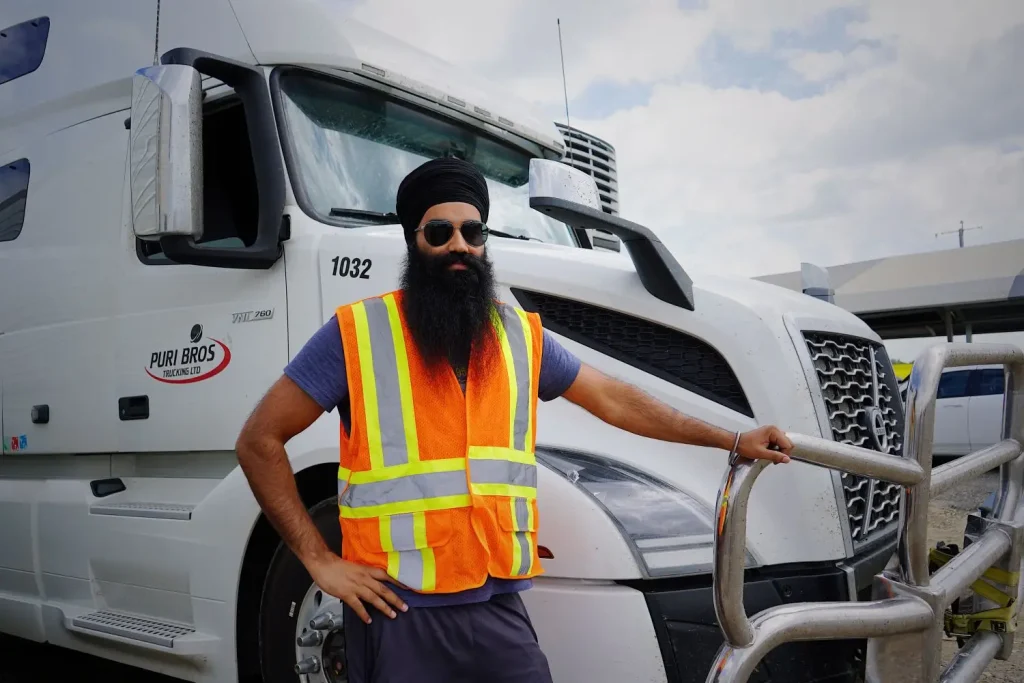
See Our DOT Collection Setting


Frequently Asked Questions
Covered CDL drivers subject to FMCSA testing rules generally require a negative pre-employment drug test result before an employer allows them to operate a commercial motor vehicle. The employer should first confirm that the position falls within the regulated program and order the correct DOT test.
Random testing is part of an ongoing regulated program rather than a test chosen by the driver. Once the employer notifies a selected covered driver, the driver must follow the employer’s instructions and proceed to the collection process according to the applicable regulatory requirements.
No. FMCSA post-accident testing requirements depend on defined crash circumstances rather than every vehicle incident automatically triggering testing. Employers should evaluate the event against the applicable regulatory criteria and order post-accident testing when those conditions require it.
Yes. Return-to-duty testing follows a qualifying DOT violation and is part of the regulated process required before an employee resumes safety-sensitive duties. DOT also requires return-to-duty drug-test collections to occur under direct observation, unlike many routine collection circumstances.
A consortium or C/TPA can manage parts of an employer’s DOT drug and alcohol testing program, while a collection site performs specimen collections. FMCSA also requires applicable owner-operators to participate in a consortium random-testing pool. ESS Identity Center does not imply consortium administration unless separately confirmed.
Covered employees and drivers with an authorized DOT test order can schedule DOT drug testing in Pembroke Pines with ESS Identity Center. Bring the employer or C/TPA information and the identified test reason so the regulated collection can follow the appropriate testing process.
Get Accurate DOT Test Results For Your Requirements
Bring your regulated testing order and complete the required collection with ESS Identity Center.