- Home /
- Drug Testing Services
Drug Testing Pembroke Pines
ESS Identity Center provides drug testing in Pembroke Pines for individuals, job applicants, employees, and employers managing workplace screening requirements. Services include DOT and non-DOT specimen collections, employment drug screening, and mobile testing options for qualifying workforce needs.
- Workplace Testing
- Specimen Collection
- Employer Support
Drug Testing Options Include
Price: From $85
- DOT Drug Test Collections
- Non-DOT Testing Services
- Employment Drug Screening
- Mobile Workplace Collections
DOT Testing Available
Non-DOT Testing Available
Mobile Collections Available
After-Hours Testing
Tests From $85
Different Tests Serve Different Requirements
A drug testing service should match the purpose behind the request. Employment policies, transportation regulations, workplace programs, and individual requirements can involve different collection procedures, documentation, and testing pathways. ESS Identity Center helps customers complete the specimen collection associated with the test they were directed to obtain.
Who Commonly Needs Drug Testing?
Workplace drug screening can apply at different stages of employment or under specific regulatory, organizational, or program requirements.
Job Applicants
Applicants may complete pre-employment drug screening when a prospective employer requires testing before placement.
Current Employees
Employees may undergo workplace drug testing according to applicable employer policies or regulated testing programs.
Commercial Drivers
Covered CDL drivers are subject to specific DOT drug and alcohol testing requirements.
Private Employers
Businesses may arrange employer drug testing to support hiring, workplace, or ongoing screening procedures.
Staffing Agencies
Staffing organizations can require recurring drug test collections as candidates move into different workforce assignments.
Individual Clients
Individuals may schedule testing when an employer, school, program, or other requesting organization requires documentation.
Which Drug Testing Path Applies?
The right testing route depends on whether the requirement is federally regulated, employer-directed, non-DOT, or best handled through an arranged workplace collection.
DOT Testing
DOT testing follows federal procedures for covered safety-sensitive transportation employees. DOT’s current Part 40 rules define how federally regulated workplace drug and alcohol testing is conducted. Review DOT testing requirements when your employer has specifically ordered a DOT test.
Non-DOT Testing
Non-DOT drug testing applies outside the federal DOT framework and generally follows the requirements of the employer, organization, or testing program requesting the collection. Compare non-DOT testing when your test is not regulated under DOT procedures.
Mobile Collections
Employers with multiple workers or location-specific needs may prefer on-site drug testing rather than sending each employee to a separate collection appointment. Arrange mobile collections to review the dedicated service.
Employment Screening
Drug testing can form one part of a wider hiring process that also includes identity or background verification. Employers evaluating broader candidate requirements can explore employment background checks.

Drug Testing Services Pricing
Drug testing pricing depends on whether the collection is DOT, non-DOT, urgent, after-hours, or mobile. ESS Identity Center provides workplace and regulated testing options for individuals, employers, staffing agencies, and transportation companies.
DOT Drug Testing: $85
Non-DOT Drug Testing: $85
After-Hours / Emergency DOT Testing: Call for pricing
Mobile & On-Site Services: Call for a quote. Pricing varies by location and group size. Call 754-221-0475.
Confirm whether the test is DOT or non-DOT, the test reason, and whether mobile or after-hours collection is needed before scheduling.
Prepare For Your Drug Test
Bring the information connected with the ordered test so ESS Identity Center can identify the correct collection and documentation process.
- Valid Government-Issued Photo Identification
- Employer or Testing Instructions
- Required Testing Authorization Documents
- Applicable DOT Forms When Required
- Correct Employer or Program Information
Know Which Test Was Ordered
Confirm whether the request is DOT or non-DOT before arriving because regulated and non-regulated drug testing procedures are not interchangeable.
From Test Order To Collection
Confirm Testing Details
ESS Identity Center reviews the test information supplied by the individual, employer, or program so the appropriate specimen collection process can begin.
Provide Required Specimen
The donor completes the required specimen collection according to the procedure associated with the ordered drug test and applicable testing instructions.
Complete Collection Documentation
Collection information is documented, and the specimen follows the required downstream testing workflow, while laboratory analysis occurs separately from the appointment.
Understanding Workplace Drug Testing
Drug testing involves more than providing a specimen. The testing category, collection procedure, documentation, and downstream analysis all depend on the requirement involved.
DOT vs Non-DOT Testing
DOT and non-DOT drug testing can look similar from the donor’s perspective, but they operate under different rules. DOT-regulated collections follow 49 CFR Part 40 and the requirements of the applicable DOT operating agency. Those procedures govern collection-site responsibilities, documentation, specimen handling, and other steps in the regulated testing process.
Non-DOT testing is not automatically governed by those same federal transportation procedures. Instead, the employer, school, organization, or testing program typically determines the test ordered and the applicable collection instructions. A pre-employment drug screening for a non-regulated office position, for example, should not be treated as equivalent to a DOT test for a covered commercial driver.
For customers arranging drug testing in Pembroke Pines, identifying the testing category before collection is therefore essential. The label attached to the order affects how the collection proceeds, which documentation applies, and what downstream testing follows.
Who Commonly Uses Which Test?
Covered transportation workers may be subject to DOT testing, while employees outside federally regulated transportation programs generally follow non-DOT employer requirements. The job title alone is not enough to determine the correct test. The employer or requesting organization should specify whether the collection belongs to a DOT or non-DOT program.
DOT Employees
Covered safety-sensitive transportation employees follow federally regulated testing procedures when DOT rules apply to their position.
Non-DOT Employees
Other workers may complete testing under company policy, hiring procedures, or another non-regulated testing program.
An employer should identify the test category before sending an employee for collection. This matters because DOT procedures cannot simply be substituted for a non-DOT order, and a non-DOT collection should not be represented as meeting a DOT requirement when the regulated process was required.
What Happens During Specimen Collection?
At the appointment, ESS Identity Center reviews the testing documentation and donor identification before collection begins. The donor provides the specimen required by the ordered test, and the collector follows the applicable handling and documentation process. For DOT urine testing, current federal procedures require collectors to follow Part 40 requirements governing collection, specimen quantity, security, and chain-of-custody documentation.
Why Collection Procedures Matter
Consistent specimen handling and documentation help preserve the collection’s identity and integrity. Laboratory testing, medical review (where applicable), and employer decisions occur after collection and involve separate parties in the testing process.
What To Expect At Your Appointment
Bring the test order, employer instructions, or authorization information provided to you. ESS Identity Center uses those details to confirm whether the appointment involves DOT, non-DOT, employment, occupational, or another specified drug test collection.
During the appointment, the collector reviews identification and collects the required specimen according to the applicable process. For a DOT-required urine collection, federal rules prescribe specific collector procedures, including collection-site requirements and specimen-volume checks.
Once collection documentation is completed, the specimen proceeds into the required testing workflow. The collection appointment itself does not determine the final laboratory result or an employer’s subsequent employment decision.
What to Bring
- Government-issued photo identification
- Employer or testing authorization
- DOT documentation when applicable
- Company or program information
- Any provided collection instructions
Individuals with a confirmed testing request can schedule a drug test with ESS Identity Center.
What Happens After The Specimen Is Collected?
After specimen collection, the sample is handled according to the applicable testing program and sent to the required laboratory testing process. ESS Identity Center performs the collection component rather than independently producing the final laboratory result.
For federally regulated workplace programs, testing and reporting involve defined laboratory and review procedures. SAMHSA notes that a laboratory-confirmed positive result does not by itself establish that an employee or applicant misused drugs, reinforcing the distinction between analytical findings and later interpretation or employment decisions.
The party that receives or acts on the result depends on the testing program. Employers, laboratories, medical review professionals, or other authorized organizations may have separate roles. Donors should follow any instructions they receive after collection rather than contacting the collection site for an employment determination.
Drug Testing Across The Employment Cycle
Employment drug screening can occur before placement or during employment, while businesses may also need recurring collection support for ongoing workforce-testing programs.
Pre-Employment Testing
Employers may require pre-employment drug testing before a candidate begins work. For covered CDL drivers, FMCSA requires an employer to receive a negative pre-employment drug-test result before permitting the driver to operate a commercial motor vehicle.
Workplace Testing
Current employees may undergo occupational drug testing under employer policies or applicable regulated programs, with the reason and procedure determined by the specific testing requirement.
Employer Programs
Businesses, staffing agencies, and workforce organizations can use employee drug screening services when repeated hiring or ongoing testing creates recurring specimen collection needs.
Choose Drug Testing Service That Fits Best
Drug testing requirements differ by regulation, workplace policy, and collection location. Select the service that matches the test ordered by your employer or organization.
DOT Testing
DOT drug testing supports covered federally regulated transportation testing and follows specific collection procedures under federal rules.
Non-DOT Testing
Non-DOT testing supports employer, hiring, occupational, and other testing programs operating outside the DOT-regulated collection framework.
Mobile Testing
On-site drug screening can support employers that need collections performed at a workplace or another arranged business location.
Employment Checks
Background screening can complement drug testing when an employer needs a broader review of applicants during hiring.

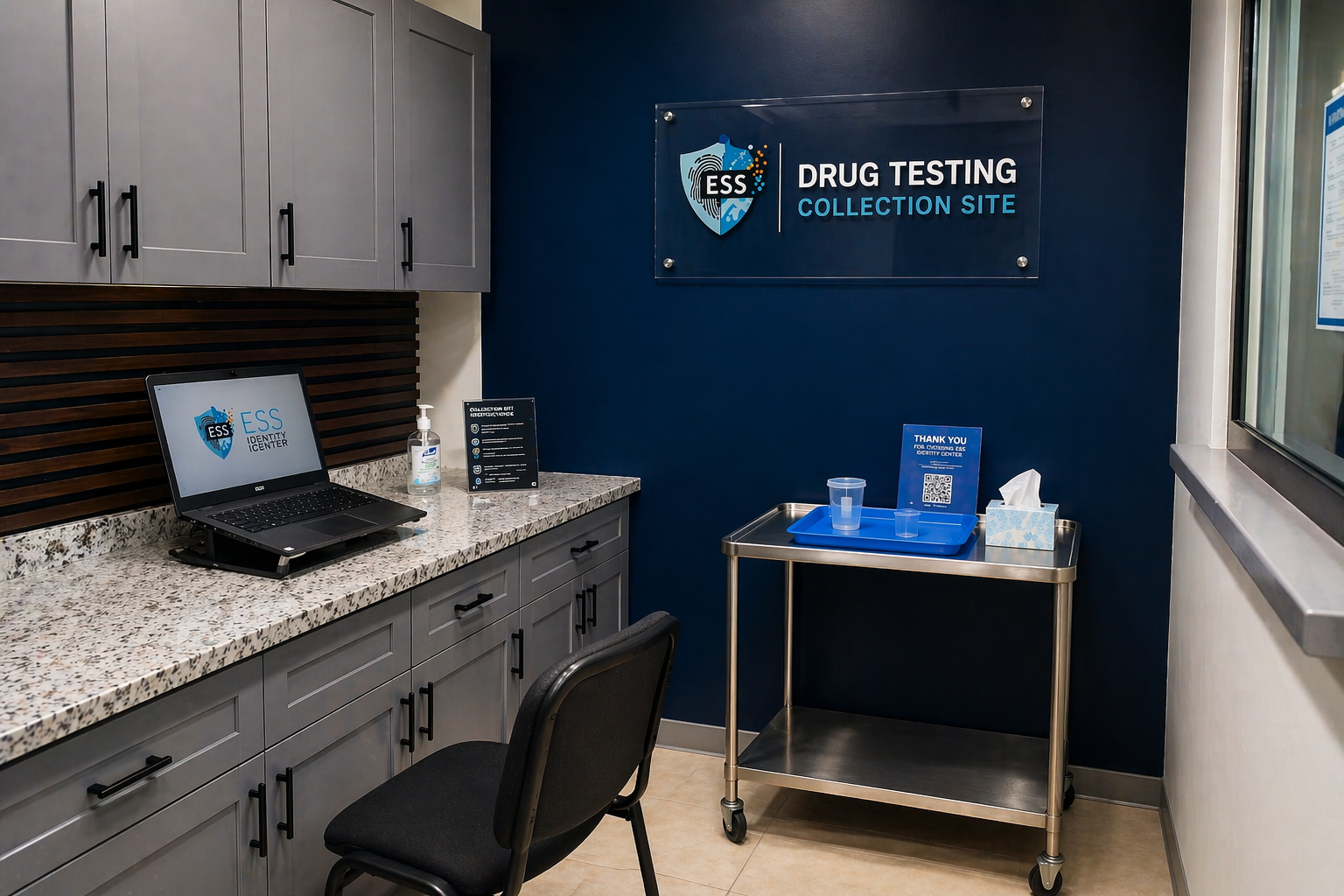
See Our Collection Environment


Frequently Asked Questions
DOT testing follows federal transportation rules, including 49 CFR Part 40, for covered safety-sensitive workers. Non-DOT testing follows the employer’s or other requesting organization’s requirements instead. Do not treat the two as interchangeable because collection procedures and documentation can differ.
Not every workplace drug-testing program uses the same specimen type or procedure. The test order should identify what collection is required. For DOT urine testing, collectors must follow Part 40 procedures, while other programs may operate under different employer or organizational requirements.
The testing documentation should identify the applicable program because collectors need to know which procedure to follow. DOT-required testing uses federally prescribed forms and collection requirements, while non-DOT testing follows a separate employer or program process. Confirm the order before collection if the category is unclear.
DOT rules require at least 45 mL for a urine specimen. When the quantity is insufficient, the collector follows the federal “shy bladder” procedure rather than combining separate specimens to reach the required amount. The regulated process determines what happens next.
No. ESS Identity Center performs specimen collection services, while laboratory analysis and any required medical or employer review occur afterward. A collection site does not independently make hiring decisions or interpret a laboratory result as an employment determination.
Applicants and employees who have confirmed the test ordered by their employer can schedule drug testing in Pembroke Pines with ESS Identity Center. Bring the testing authorization and identify whether the request is DOT or non-DOT so the appropriate specimen collection process can be followed.
Get The Right Drug Test With ESS Identity Center
Bring your testing instructions and complete the required specimen collection with ESS Identity Center.